
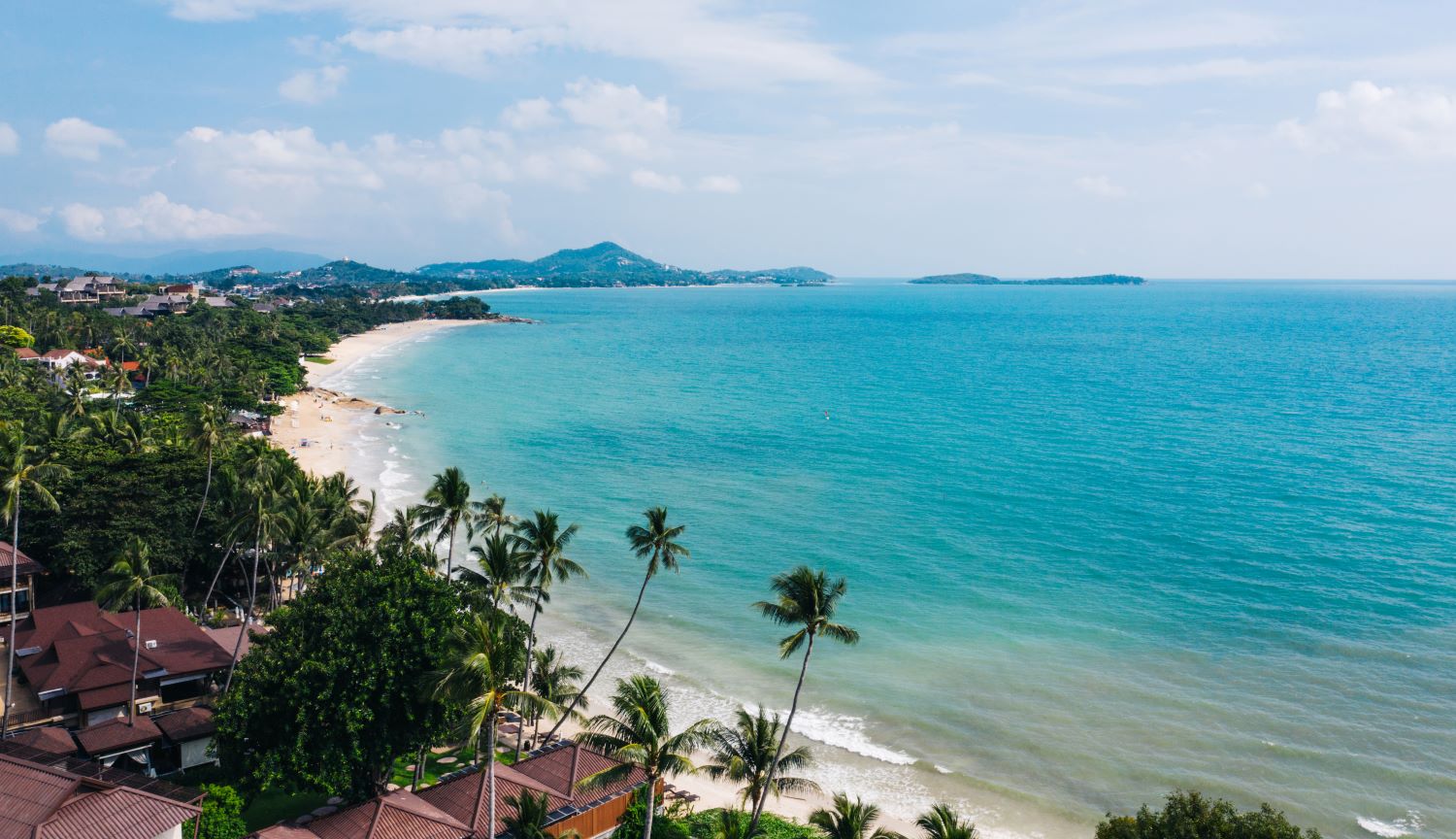
Koh Samui has shifted from a backpacker haven to a mature property market with strong tourism fundamentals, improved infrastructure, and a growing expatriate community. If you’re thinking to buy property Koh Samui, now is a sensible time to look: prices have stabilized in many segments, new regulations have clarified some ownership pathways, and long-term demand, driven by leisure, remote work, and short-term rentals, remains robust. In this guide we walk you through why we believe Koh Samui deserves serious consideration, the property types and legal options available, where to look, and exactly how to navigate a purchase as a foreign buyer with practical tips for financing, currency management, and protecting your investment.
Why Buy Property In Koh Samui Now
Koh Samui combines predictable tourism patterns with improving infrastructure, newer ferry services, gradually expanding air connections, and better utilities in many zones. That makes the island appealing both as a lifestyle choice and an investment. We see three main reasons to act now:
- Demand resilience: Thailand’s tourism recovery has outpaced many regional rivals. Koh Samui benefits from both domestic holidays and international travelers seeking a premium, conveniently accessible island experience.
- Diversification and yield potential: Compared with similar islands in Southeast Asia, Samui properties, especially well-located villas and condominium units, can deliver attractive short-term rental yields during high season while offering capital appreciation over time.
- Regulatory clarity and developer activity: Reputable developers are bringing professionally managed condos and villa projects with clear condo-title ownership or vetted leasehold structures, which reduce friction for foreign buyers.
We should be realistic: prices vary widely by area and product, and infrastructure gaps persist in parts of the island. But if we’re looking for a balance of lifestyle appeal and rental potential, Koh Samui is a compelling option right now.
Types Of Property Available And Ownership Options
Koh Samui offers a spectrum of properties: beachfront villas, hillside luxury homes, resort-linked villas, townhouses, and condominium units. Each has a different ownership profile and operational model.
- Beachfront villas: High upfront cost and strong seasonal demand. Often sold freehold when the owner is Thai, but foreign buyers typically use long-term lease arrangements or company structures.
- Hillside villas: Provide panoramic views, popular with owners seeking privacy. Building quality and access roads are major differentiators.
- Condominiums: Simplest route for foreign ownership under Thai law, foreigners can own condo units freehold provided foreign quota limits for the building aren’t exceeded.
- Resort or managed units: Attractive for investors who want rental management: developers often offer buy-back or guaranteed income schemes for a limited period.
Legal Framework And Ownership Structures
We must highlight how ownership works under Thai law because that determines which properties we can buy and how to hold them:
- Condominium Freehold: Foreigners can own up to 49% of the total floor area of a condo building. If the quota is available, we can hold title in our name, this is the most secure and straightforward path.
- Leasehold: Foreign buyers commonly use 30-year leases (renewable) for land and houses. Leases are registered at the land office and provide clear rights for use, but they are not the same as freehold.
- Thai Company Ownership: Some buyers set up a Thai limited company to hold land: this requires majority Thai shareholding in practice to be compliant, and the structure must be carefully documented and professionally advised to avoid legal issues.
- Usufructs and Nominee Arrangements: These are riskier. We advise avoiding nominee ownership and consult a local lawyer for any usufruct agreements.
Working with a qualified Thai lawyer is non-negotiable. They’ll verify titles, zoning, encumbrances, and whether the seller has the right to transfer the property under the chosen ownership structure.
Popular Areas And What To Expect From Each
Koh Samui’s neighborhoods differ markedly in pace, price, and audience. Here’s how we break them down so you can match location to purpose.
Step‑By‑Step Buying Process For Foreign Buyers
Buying property as foreigners on Koh Samui follows a consistent process. We’ll outline each step so you know what to expect and when to involve professionals.
Financing, Currency, And Investment Considerations
Financing and currency choices materially affect returns. We should plan finance and exit strategy before committing to a purchase.
Practical Tips For A Smooth Purchase And Ownership Experience
A smooth purchase depends on the team we assemble and the precautions we take. Small missteps can become costly, so let’s focus on the practicalities that protect us.
Conclusion
If we want a mix of lifestyle and investment potential, to buy property Koh Samui is an option worth serious consideration, provided we do our assignments. Condominiums offer the simplest route for foreign ownership, while villas demand careful legal structuring. Location determines both yield profile and day-to-day enjoyment: Chaweng for liquidity and vibrancy: Maenam and Bang Por for quieter value. Throughout the process we recommend working with experienced local lawyers, vetted agents, and FX specialists, planning financing and exit strategies in advance, and preparing for seasonality in rental income. With the right team and realistic expectations, owning in Koh Samui can deliver both a wonderful place to spend time and a sound long-term asset.